Fencing Regulations in the Macedon Ranges: Permits, Heights and Neighbours
Most new fences in the Macedon Ranges go up without any permit at all. The ones that do need approval are usually tall, close to the street, part of a pool barrier or on land covered by a planning overlay.
The rules come from three places. Victoria's building regulations set the heights that trigger a building permit, the Fences Act covers what you and your neighbour owe each other, and the council's planning scheme adds local controls such as heritage and bushfire overlays.
Which Council Covers Your Property
Macedon Ranges Shire Council looks after Gisborne, Kyneton, Woodend, Romsey, Riddells Creek, Lancefield, Macedon and Mount Macedon, so for most homes there is only one council to deal with. A few localities on the shire's edges, such as Malmsbury, Toolern Vale and Clarkefield, straddle the boundary with a neighbouring council.
Your rates notice tells you which council your property belongs to. A free planning property report from VicPlan goes further, showing the zone and any overlays on your block in a couple of minutes.
When a Fence Needs a Building Permit
The fences that need a building permit in the Macedon Ranges are:
- A side or rear boundary fence over 2 metres high, whatever it's made of
- A front fence over 1.5 metres high within 3 metres of the street, built from lightweight materials such as timber or steel
- A brick, masonry or concrete fence over 1.2 metres high within 3 metres of the street
- A fence over 1 metre high within 9 metres of a street corner, which also needs council consent
- A fence that forms part of a pool or spa barrier
- A fence built over an easement
Anything under those limits, in an ordinary residential spot, generally goes ahead without a building permit. A planning permit can still apply through an overlay, which is covered further down.
How Fence Height Is Measured
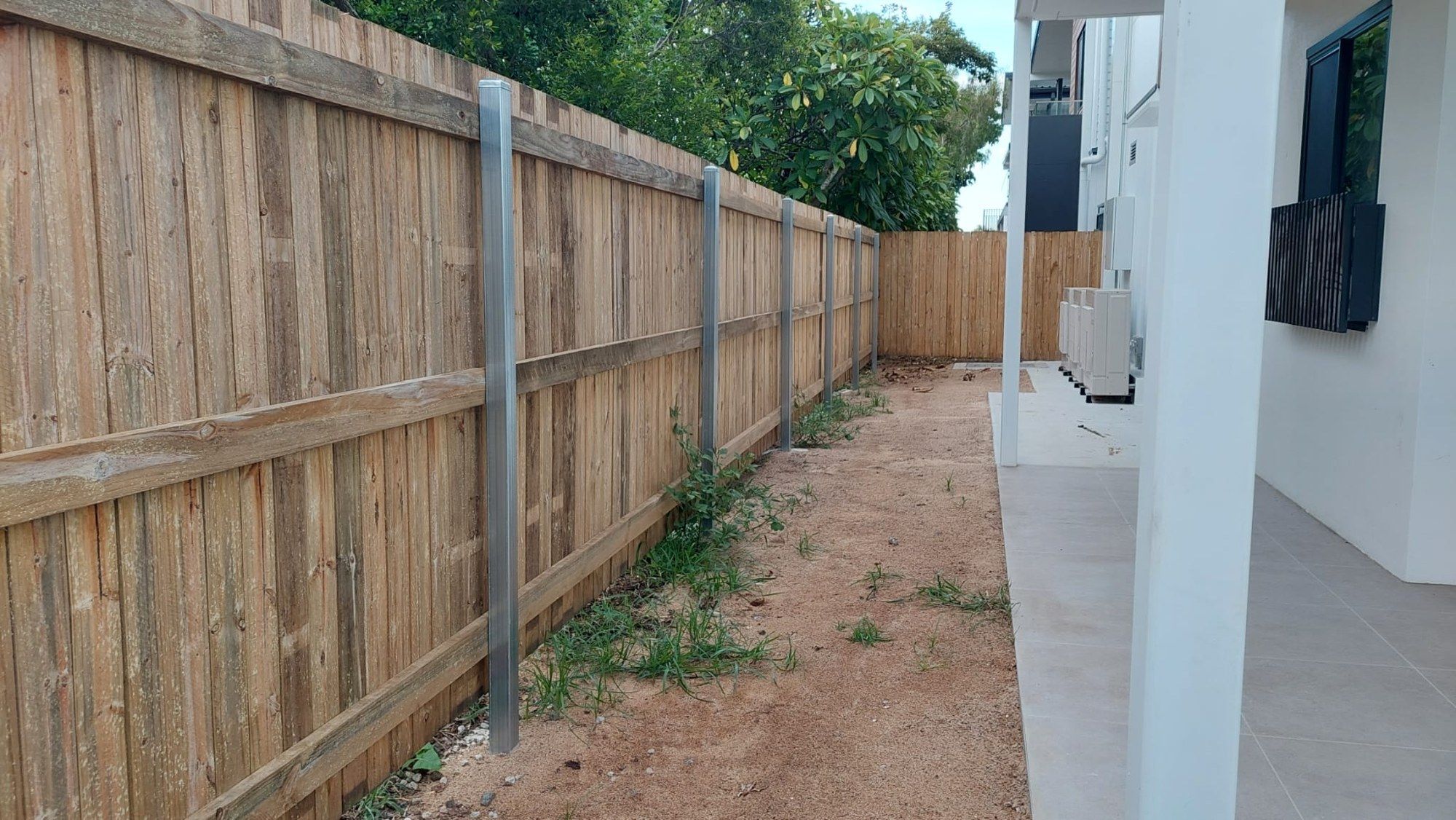
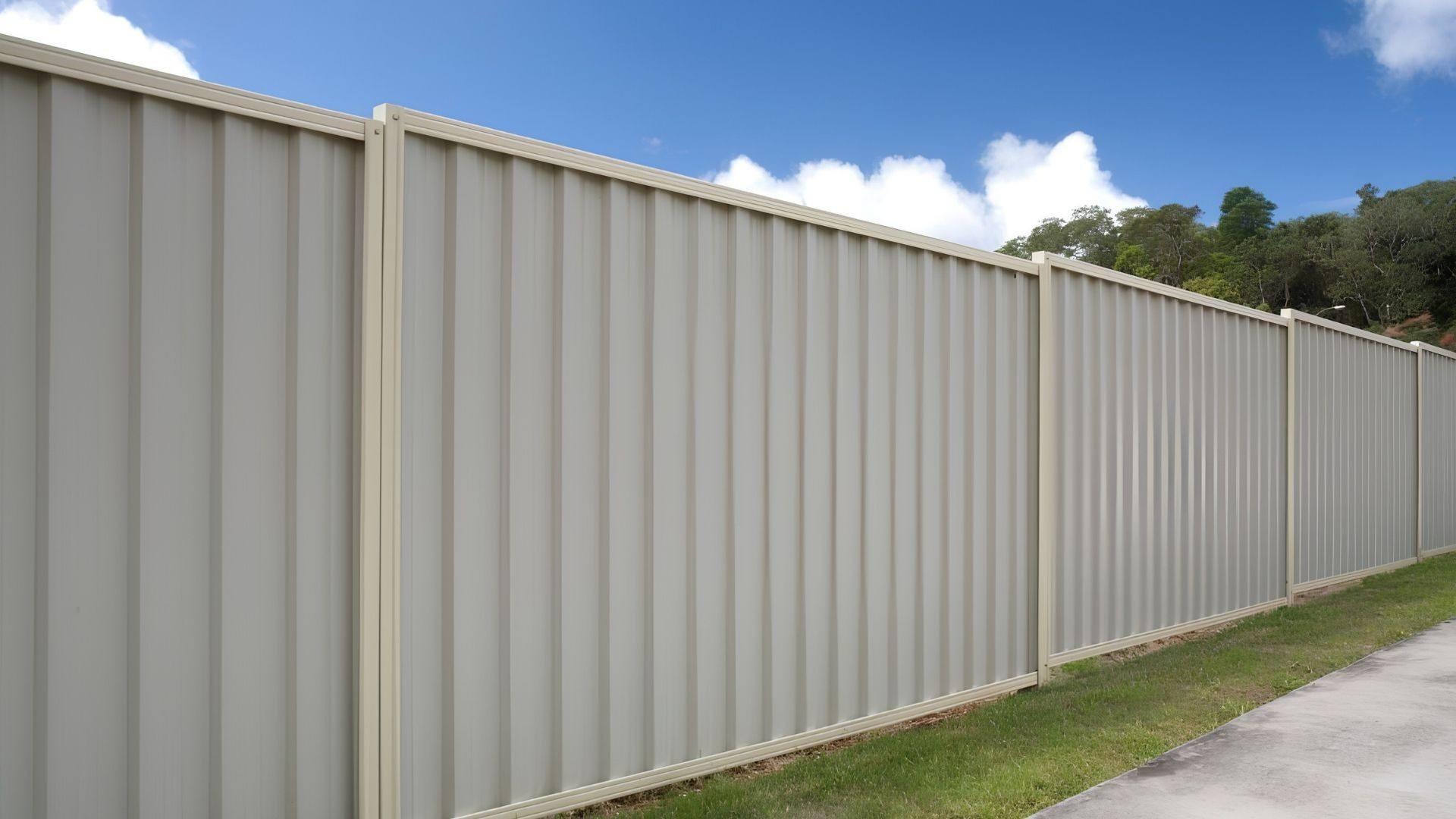
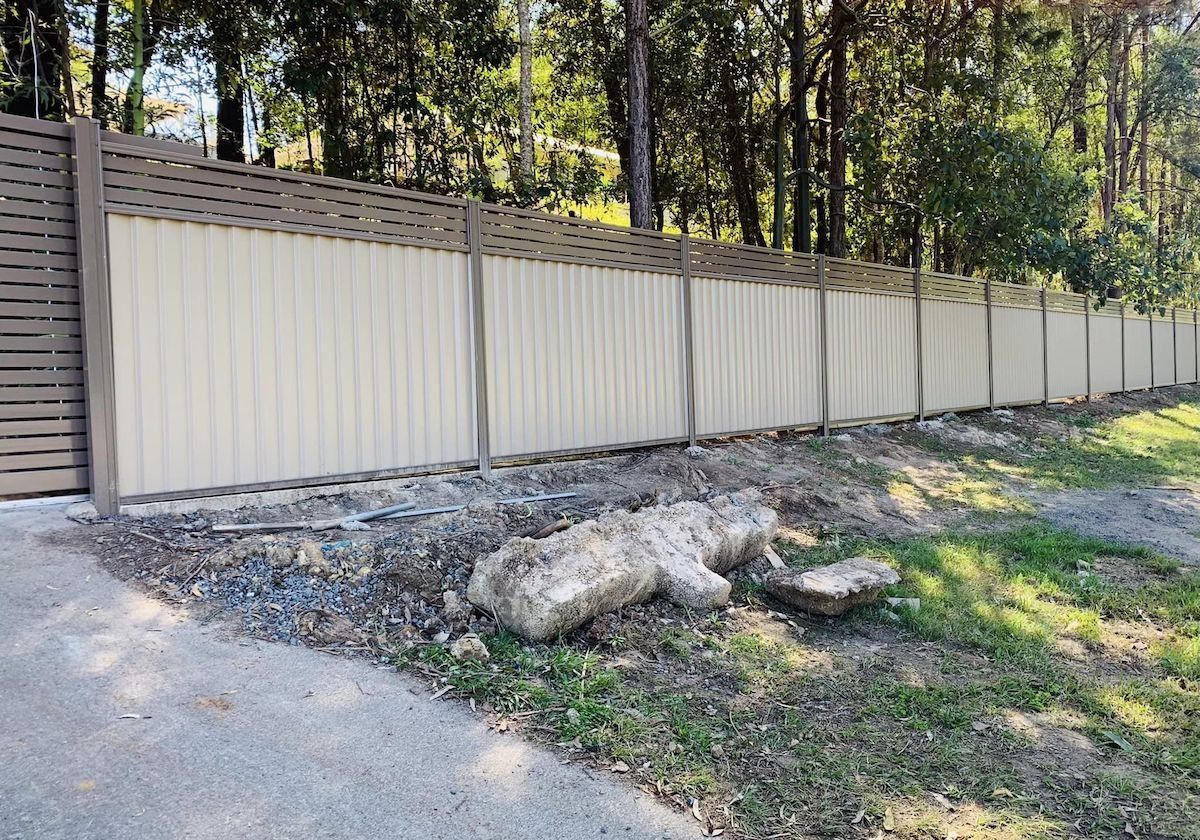
Height is measured from natural ground level to the top of the fence, including any lattice, slat topper or extension. Adding a slat extension to a 1.8 metre Colorbond fence can take it past 2 metres, which tips it into permit territory.
On sloping blocks, the limit applies along the whole run, not just at the high end. A fence that steps down a slope can end up over 2 metres at the low side of each panel, so plinths and step heights get planned before the posts go in.
Front Fences and Corner Blocks
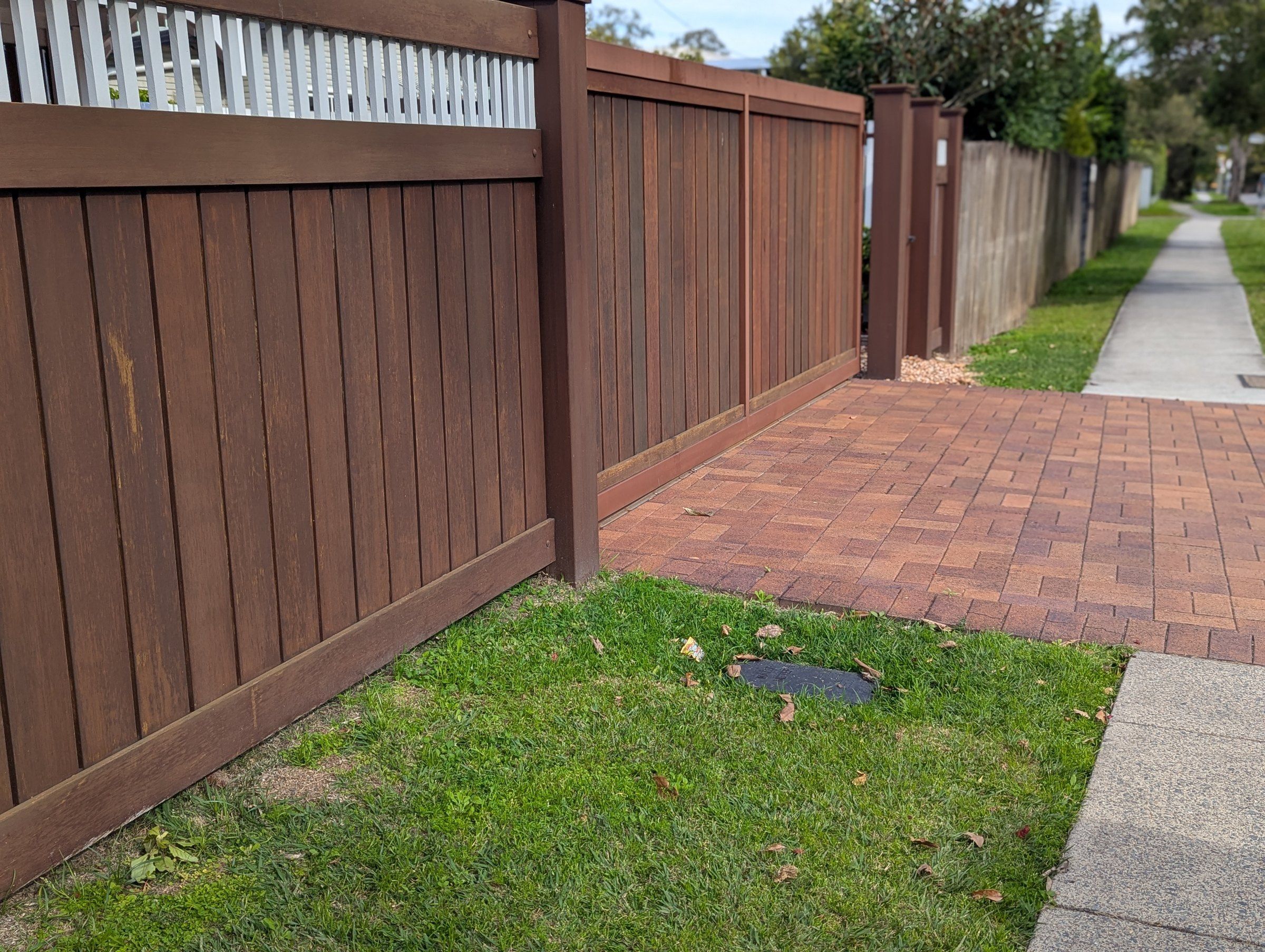
Front fences have tighter limits because they affect the street and the view for drivers. Keeping a timber or aluminium front fence at 1.5 metres or under near the street avoids a permit, and a brick or rendered front fence needs one once it passes 1.2 metres.
Corner blocks need extra care. Within 9 metres of the corner, anything over 1 metre high needs council consent, so drivers can still see traffic coming around the bend.
Barbed wire isn't allowed along the street boundary unless it sits at least 2 metres above the ground. That matters most on rural frontages where stock fencing meets the road.
Overlays, Covenants and Native Vegetation
A planning overlay can require a planning permit even when the fence is well under the building permit heights. The ones that come up most for fences are the Heritage Overlay, where council may want a front fence that suits the era of the house, and the Bushfire Management Overlay.
New estates add another layer. Many have restrictive covenants on the title that set the fence height, material or colour, and some need the developer's approval before a front fence is built.
Rural and bush blocks often have native vegetation along the boundary. Victorian planning schemes generally let owners clear a limited strip of native vegetation to build or maintain a boundary fence between properties in different ownership, up to a combined 4 metres across both sides. Internal fences aren't covered, so confirm with council's planning team before clearing.
Bushfire and Your Choice of Fence
Much of the Macedon Ranges sits in a bushfire prone area, and parts are covered by the Bushfire Management Overlay. The overlay mainly controls new buildings, but your fence still affects how a house copes with ember attack and radiant heat.
Solid fences made from non-combustible materials such as steel or masonry can shield a house from heat and embers. Timber can burn, so a timber fence is best kept away from windows, decks and eaves.
Whatever the material, keep the fence line clear. Mulch, firewood and garden waste stacked against a fence give a fire somewhere to catch.
Sharing a Dividing Fence With a Neighbour
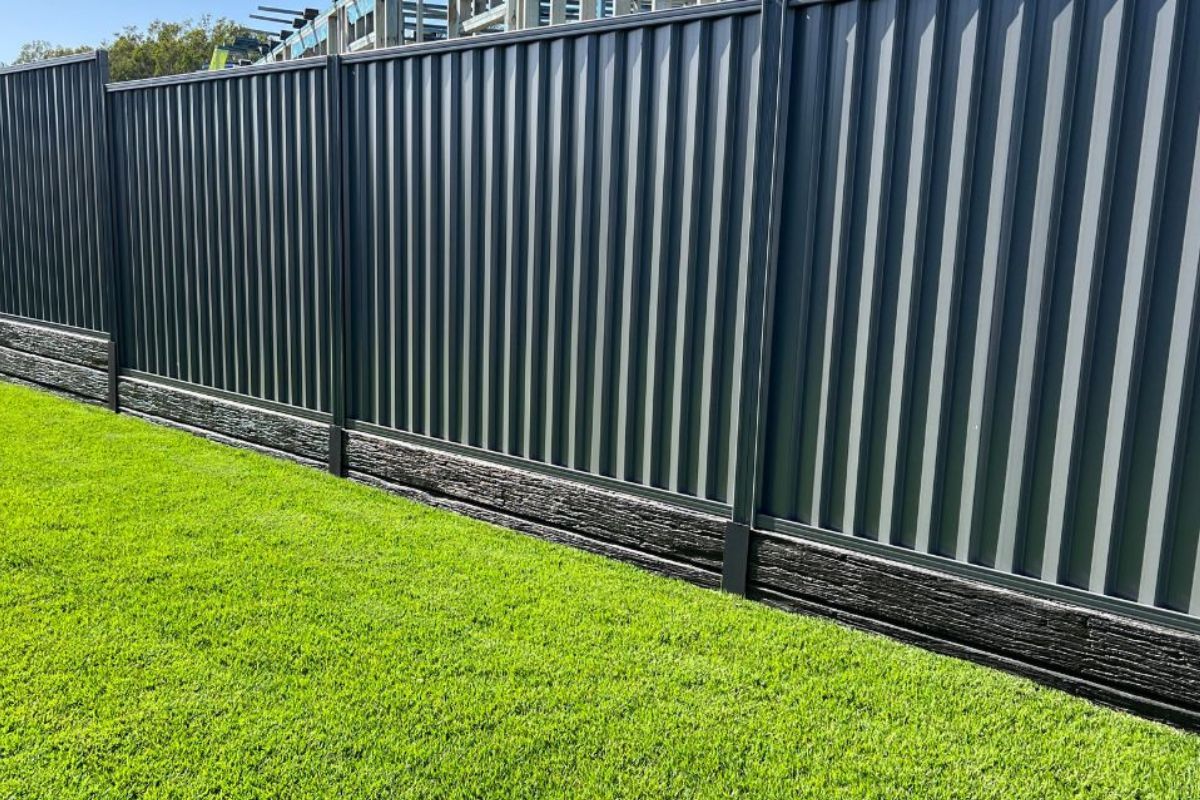
Under Victoria's Fences Act, neighbours generally split the cost of a dividing fence equally. The shared cost covers a "sufficient" fence, which depends on how the land is used. For most homes that's something like a 1.8 metre timber paling fence, and on rural land it's often post and wire.
If one neighbour wants something more expensive, such as extra height or a premium material, they usually pay the difference. Removing the old fence, clearing the line and surveying the boundary can also be shared costs.
Using a Fencing Notice
Talking to your neighbour first is the quickest way to agree on the style, cost and timing. If you can't agree, a formal fencing notice sets out the work and the cost, and your neighbour then has 30 days to respond.
Without an agreement after 30 days, only the Magistrates' Court can decide who pays what. Council doesn't settle fencing disputes, though it can help you contact the owner of a neighbouring property, and the Dispute Settlement Centre of Victoria offers free help to reach an agreement.
If a storm, fallen tree or fire wrecks a dividing fence, urgent repairs can go ahead straight away. You can then ask your neighbour to contribute by sending an urgent fencing notice.
Pool and Spa Fences
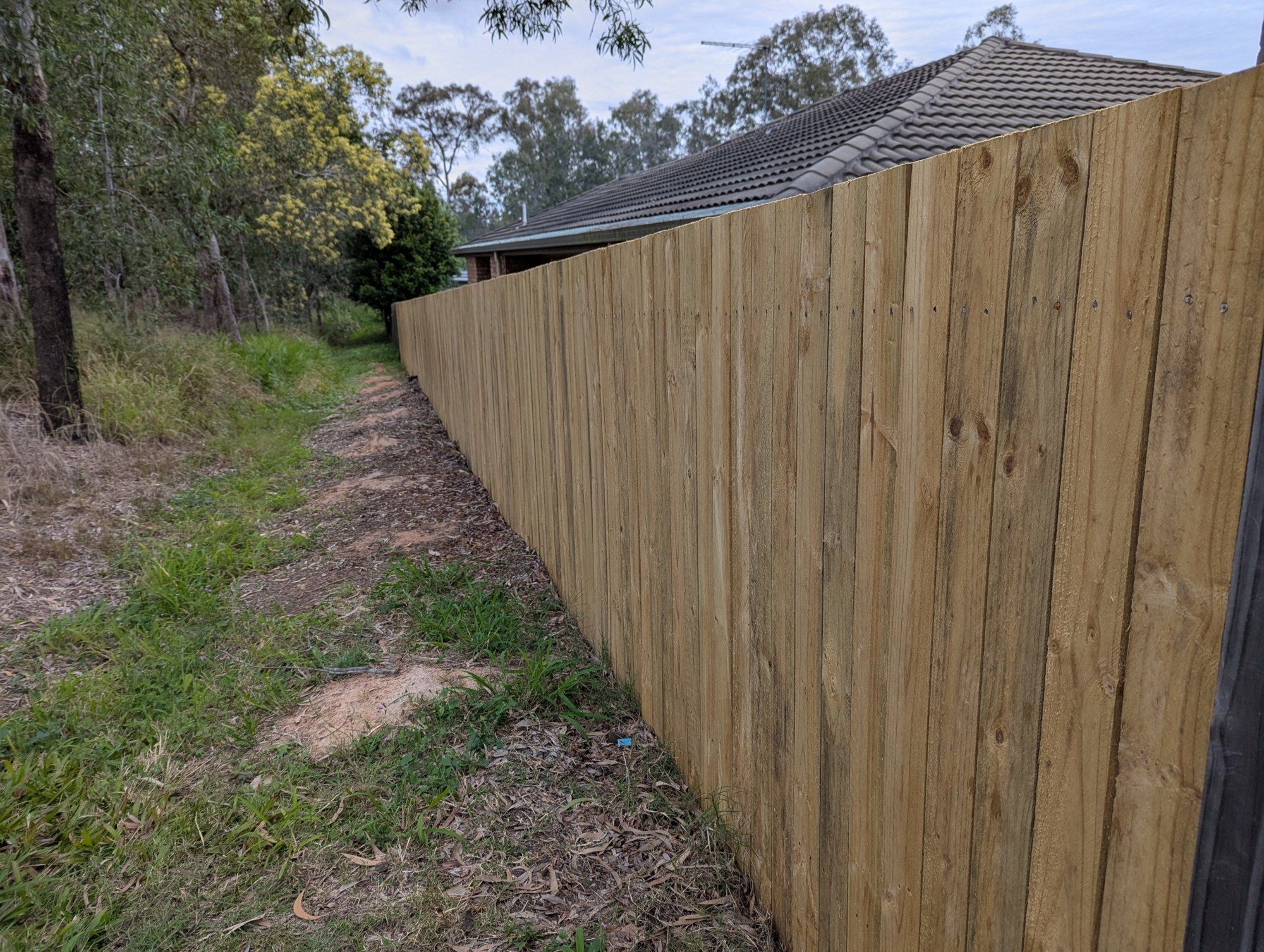
Pool fencing has the strictest rules of any fence. A pool or spa barrier needs a building permit and must comply with the Australian Standard AS 1926.1-2012, which sets the minimum height, maximum gaps and climbable zones.
In Victoria, pools and spas must also be registered with council. The barrier then needs a compliance certificate from a pool barrier inspector every four years.
Before the Post Holes Are Dug
Underground services often run close to boundaries. Plans from Before You Dig Australia are free and show where pipes and cables are likely to be before any holes go in.
Check your title for easements as well. A fence over an easement needs a building permit, and the authority that owns the easement may need access later.
If the boundary itself is unclear, a licensed surveyor can peg it before the old fence comes down. That avoids building a new fence in the wrong place, which is far harder to fix afterwards.
A Quick Checklist Before You Build
- Confirm your council and check the property report for overlays.
- Compare the planned height against the permit limits, including any extension or lattice.
- Check your title for easements and covenants.
- Agree the fence with your neighbour, or send a fencing notice.
- Get a building permit if the fence is part of a pool or spa barrier.
- Request free underground service plans before digging.
Planning Your New Fence
A fence that's planned around the rules goes up once and stays up, without surprises from council or the neighbours. As a local fencing company, we measure your boundary, check the heights and slope, and flag anything that may need a permit before work starts.
Call (03) 9605 3505 to book your free measure and quote.